




What Should I Do If My Car Skids on Ice in Elburn, IL?
So, if you're concerned about your car skidding on ice, this guide will help you prepare for the winter ahead.

At Bob Jass Chevrolet, we're proud of being the most trusted, family-owned dealership in Elburn, IL. Since 1916, our family has welcomed every customer with personalized service and family-first values. It's present in everything we do. From our sales, parts, and service center team to our finance team, we're 100% focused on making every interaction with our dealership a pleasant one.
As a dealership that treats customers like family, we know how important it is to drive safely on icy winter Illinois roads. However, it's not always about driving cautiously but about having a vehicle that is well-equipped and prepared for everything winter throws at it. That's why having the right snow tires, a healthy car battery, the right tire pressure, and antifreeze are so important.
So, if you're concerned about your car skidding on ice, this guide will help you prepare for the winter ahead.
Why Do Cars Skid on Ice and Snow?
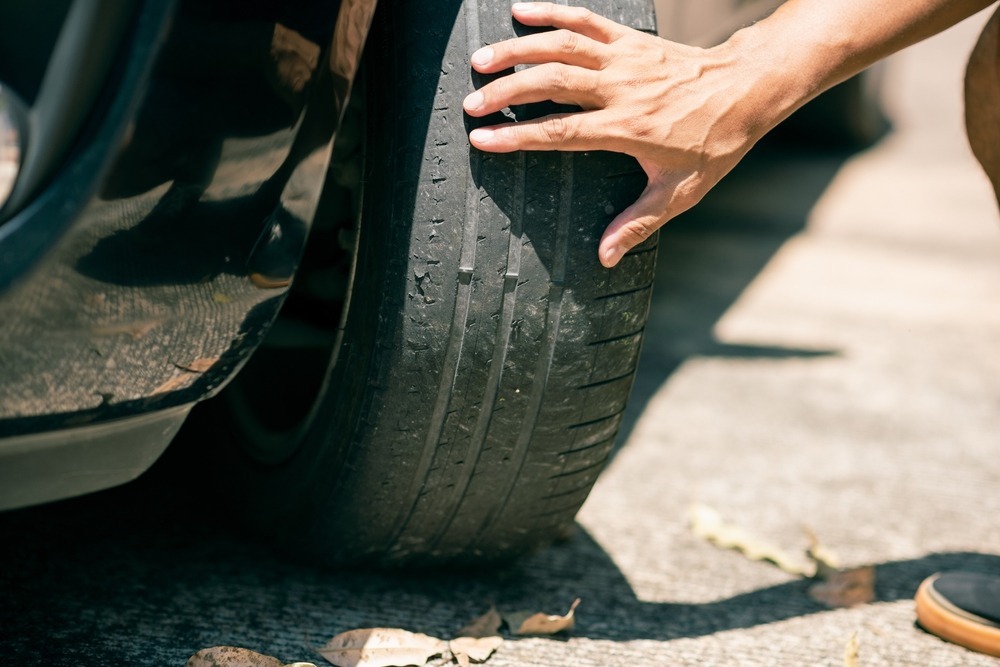
There are several reasons why a well-made Chevrolet car, truck, or SUV might skid on ice and snow. First, sudden or immediate braking on ice or snow is never a good idea. When you suddenly apply your brakes, your tires lose traction on the ice or snow, leading to a possible accident or collision.
Second, ice and snow often reduce the traction your tires have with the road, which makes it harder to steer and leads to sliding. Third, worn-out tires are another reason your vehicle might skid on ice or snow. Tires that don't have enough depth on their treads are problematic in winter driving conditions.
Fourth, speeding is another reason why your vehicle might skid on snow or ice. Fifth, incorrect tire pressure impacts your tires' ability to maintain traction with the road. During winter, that can quickly lead to skidding.
- Excessive speed for slippery road conditions.
- Sudden braking or rapid acceleration.
- Sharp steering movements or abrupt turns.
- Worn tires with insufficient tread depth.
- Incorrect tire pressure affecting traction.
- Reduced traction between tires and icy pavement.
- Black ice, nearly invisible on road surfaces.
What Should You Do When Your Car Starts Skidding on Ice?
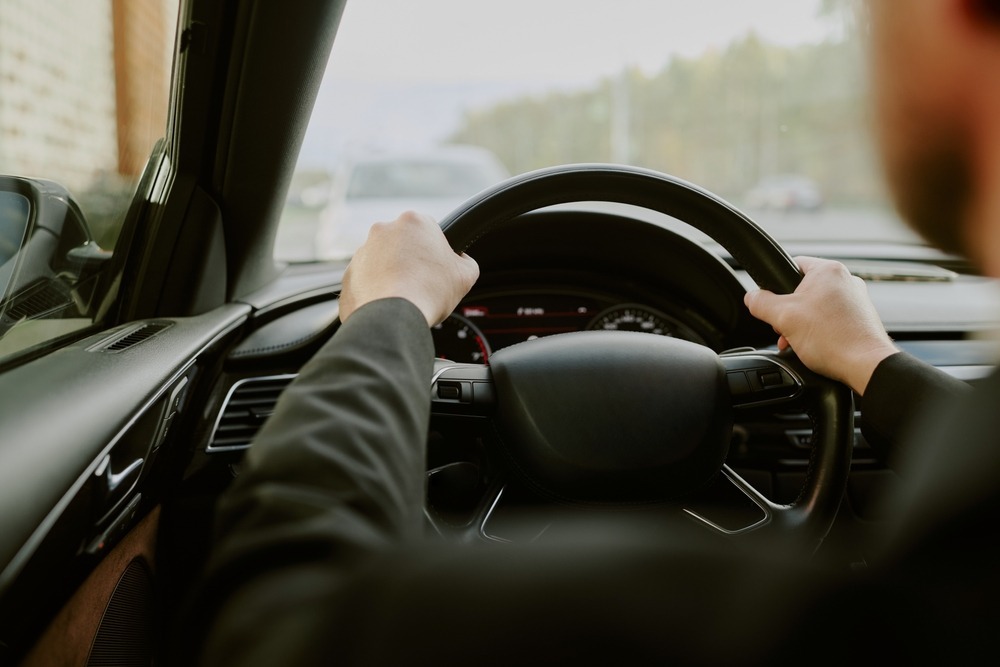
If you find yourself driving on icy or snowy roads, it's essential that you remain calm. That means avoiding suddenly turning the steering wheel or trying to overcorrect. Next, ease off on your vehicle's accelerator. By slowly reducing your speed, you'll improve the traction your tires have with the road.
Always keep your eye focused on where you want to go. Keep your steering wheel aligned with that direction. The emphasis is on smooth steering so that you keep your steering wheel towards the direction you want your vehicle to go. Avoid sudden and immediate braking.
By slowing down, keeping your steering wheel focused on your intended direction, and not suddenly braking, you'll start to feel more in control. At this point, you can start to apply pressure to your brakes. As your vehicle slows, start to pull over to the side of the road.
- Stay calm: Avoid sudden movements or overcorrection.
- Ease off the accelerator: Gradually reduce engine power.
- Look where you want to go: Focus on your intended path.
- Steer smoothly: Turn the steering wheel toward your intended direction of travel.
- Avoid slamming the brakes: Sudden braking can worsen a skid.
- Avoid overcorrecting: Excessive steering can cause the vehicle to skid in the opposite direction.
- Regain control: Gradually straighten the wheels as traction returns.
- Pull over safely: Stop in a safe location if road conditions remain hazardous.
Be Proactive Before Winter Arrives
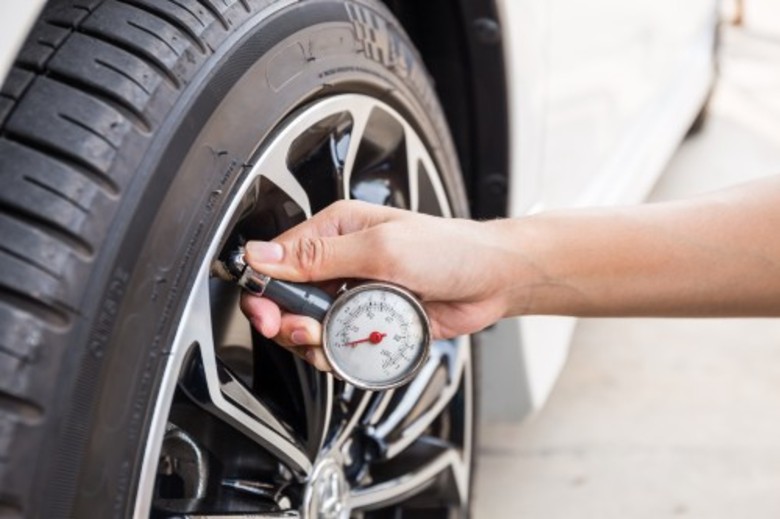
There are several things you can do to be better prepared for winter driving. Make sure you have winter tires installed. Always check the weather forecast and road conditions before driving. Ensure your tires are properly inflated and that your winter tires' treads are deep enough. Avoid sudden lane changes, drive defensively, and avoid driving too fast or applying the brakes so suddenly.
Frequently Asked Questions
Why Do Cars Skid on Ice and Snow?
First, sudden or immediate braking on ice or snow is never a good idea. When you suddenly apply your brakes, your tires lose traction on the ice or snow, leading to a possible accident or collision. Second, ice and snow often reduce the traction your tires have with the road, which makes it harder to steer and leads to sliding.
What Should You Do When Your Car Starts Skidding on Ice?
If you find yourself driving on icy or snowy roads, it's essential that you remain calm. That means avoiding suddenly turning the steering wheel or trying to overcorrect. Next, ease off on your vehicle's accelerator.
Sources: bobjasschevrolet.com. Bob Jass Chevrolet, 300 South Main Street, Elburn, IL 60119.