





What Causes A Tire Blowout
What Causes a Tire Blowout?
BOB JASS CHEVROLET
If you’ve ever been driving down the highway and heard that loud “pop” followed by the unsettling thump-thump-thump of your car pulling hard to one side, you know how scary a tire blowout can be. At Bob Jass Chevrolet here in Elburn, IL, we’ve seen plenty of folks come in after experiencing this exact situation. It can happen to anyone, even with newer vehicles, but the good news is that most blowouts are preventable with the proper care and attention. Let’s dive into what a tire blowout really is, what to watch out for, and how regular maintenance can keep you safer on the road.
So, what is a tire blowout, exactly? In the simplest terms, it’s a sudden and complete loss of air pressure in your tire, usually caused by damage, wear, or road hazards. Unlike a slow leak or a flat, a blowout is dramatic and often dangerous because it happens instantly. Your vehicle may swerve, pull hard, or even feel unstable, especially at higher speeds.
While it might seem like something that only happens to older cars or worn-out tires, that’s not always the case. Believe it or not, a brand new tire blowout can occur under certain conditions—like hitting a sharp pothole or carrying a heavy load on a hot day. That’s why it’s essential to monitor your tires, regardless of their age.
What Causes a Tire to Blowout?
Now let’s get to the big question: what causes a tire to blow out? Several things can be the culprit:
- Underinflation – Probably the most common cause. When your tire doesn’t have enough air, the sidewalls flex more than they should. That added stress creates heat and, eventually, failure.
- Overloading your Ride – Too much weight puts extra pressure on your tires, raising the risk of a blowout.
- Road hazards – Potholes, nails, and sharp debris are obvious threats. Even a small cut in your tire can turn into a dangerous situation.
- Worn-out treads – Tires with minimal tread left can’t grip the road properly and are more vulnerable to damage.
- Heat – Hot summer pavement combined with high speeds can make an already stressed tire fail quickly.
Sometimes, a combination of these factors plays a role. For example, an underinflated tire on a hot day that hits a pothole is almost a recipe for trouble.
Warning Signs Before a Blowout
The tricky part is that a tire blowout often feels like it comes out of nowhere. But if you know what to look for, your car may give you a few warning signs:
- You notice your tire is constantly losing air and needing frequent refills.
- There are visible bulges, cracks, or cuts on the sidewall.
- The tread looks uneven or excessively worn.
- You feel vibrations or shaking while driving that aren’t normal.
If you catch these symptoms early, you can prevent the sudden scare of a blowout. And honestly, it’s always better to be safe and have a professional inspect it. That’s where regular tire service at a trusted place like Bob Jass Chevrolet in Elburn, IL, can make a huge difference.
How Regular Service Helps Prevent Blowouts
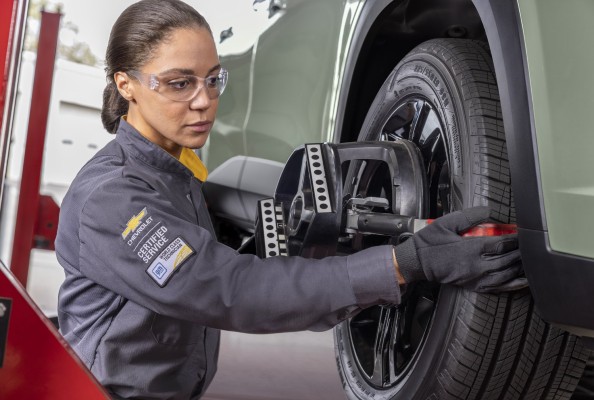
How can I reduce my chances of blowing out my tire? The answer is simple—regular maintenance. Routine tire checks, rotations, and alignments all play a role in keeping your tires healthy. A certified technician can spot issues you might miss, like uneven wear or small punctures that could turn into bigger problems down the road.
At Bob Jass Chevrolet, we don’t just sell vehicles—we help you take care of them. Whether you’re here for an oil change, a tire rotation, or a full inspection, our service team makes sure your tires are in great shape. Think of it like this: spending a little time on preventive care now could save you from a costly (and nerve-wracking) roadside emergency later.
Don’t Let Your Tire Blowout
Tire blowouts can be frightening, but they’re not something you’re powerless against. By staying aware of the signs, keeping up with maintenance, and letting the experts at Bob Jass Chevrolet in Elburn, IL, look after your vehicle, you can drive with more confidence and peace of mind.
FAQs About Tire Blowouts
What causes a tire to blow out most often?
The most common reason is underinflation. When your tires don’t have enough air, they flex too much, overheat, and fail.
Can a brand-new tire blow out?
Yes, it can. Even a brand-new tire can blow out if you hit a sharp object, drive over a pothole, or carry too much weight.
What should I do if I experience a tire blowout while driving?
Stay calm, grip your steering wheel firmly, and avoid slamming on the brakes. Gradually slow down and pull over to the side into a safe spot.
How do I prevent a tire blowout?
Check your tire pressure regularly, don’t overload your vehicle, rotate your tires as recommended, and replace them before the tread gets too low.
Does hot weather make blowouts more likely?
Absolutely. Heat builds pressure inside the tire and weakens it over time, especially if it’s already underinflated or worn.
Shop Your Favorite Vehicles


| Day | Open | Closed |
|---|---|---|
| Monday | 9:00AM | 8:00PM |
| Tuesday | 9:00AM | 8:00PM |
| Wednesday | 9:00AM | 8:00PM |
| Thursday | 9:00AM | 6:00PM |
| Friday | 9:00AM | 6:00PM |
| Saturday | 9:00AM | 5:00PM |
| Sunday | Closed | Closed |
| Day | Open | Closed |
|---|---|---|
| Monday | 7:30AM | 5:00PM |
| Tuesday | 7:30AM | 5:00PM |
| Wednesday | 7:30AM | 5:00PM |
| Thursday | 7:30AM | 5:00PM |
| Friday | 7:30AM | 5:00PM |
| Saturday | 8:00AM | 1:00PM |
| Sunday | Closed | Closed |
| Day | Open | Closed |
|---|---|---|
| Monday | 7:30AM | 5:00PM |
| Tuesday | 7:30AM | 5:00PM |
| Wednesday | 7:30AM | 5:00PM |
| Thursday | 7:30AM | 5:00PM |
| Friday | 7:30AM | 5:00PM |
| Saturday | 8:00AM | 1:00PM |
| Sunday | Closed | Closed |